
Website: BollywoodView.com
Author: AK
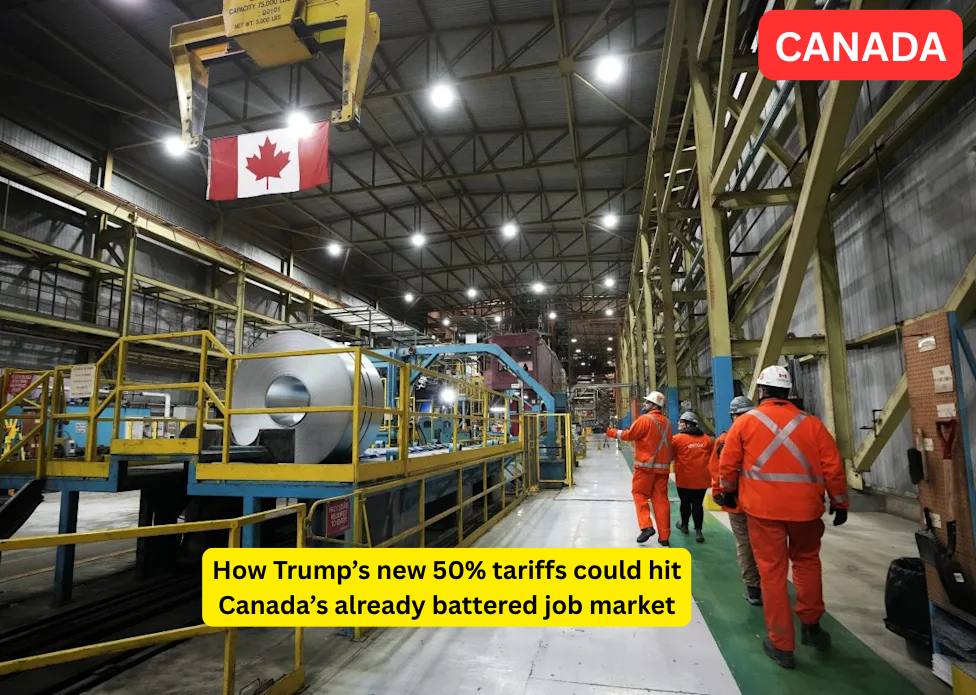
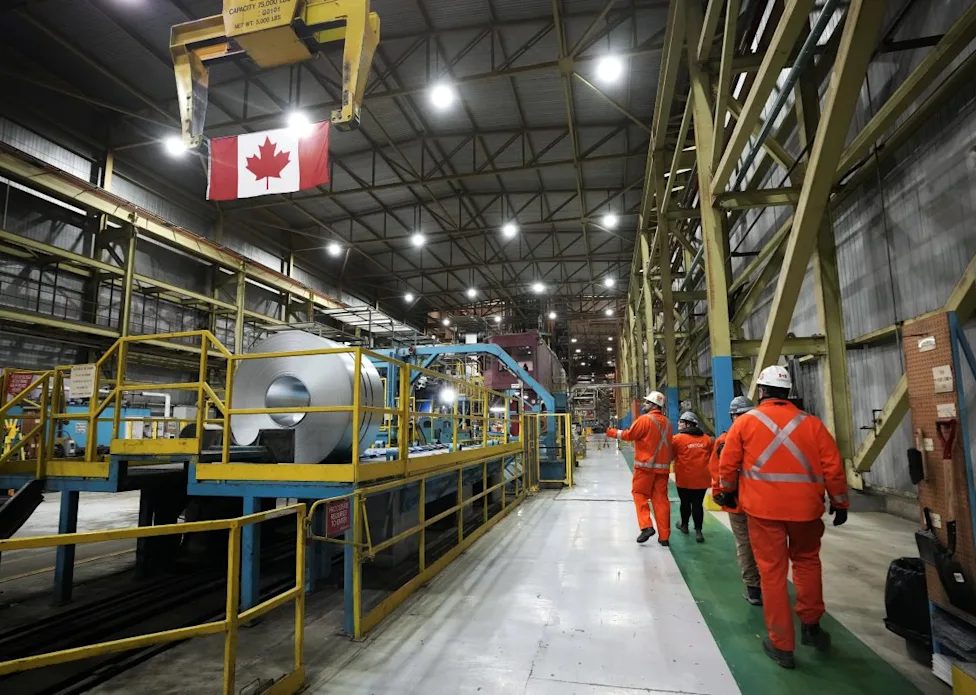
The United States’ decision to impose new 50% tariffs on selected Canadian imports has sparked concern among businesses, workers, and investors. With Canada already facing slower economic growth, high living costs, and uncertainty in several export sectors, many Canadians are asking difficult questions:
- Should I move out of Canada?
- Will I lose my job?
- Why is the U.S. imposing these tariffs?
- Can Canada’s economy recover?
While the headlines sound alarming, economists say it is important to understand what tariffs actually do, who is affected, and whether this could become a long-term economic challenge.
What Are the New 50% Tariffs?
A tariff is a tax placed on imported goods.
Under the new U.S. policy, certain Canadian products entering the United States will face higher import duties, making them more expensive for American buyers.
Since the U.S. is Canada’s largest trading partner—buying roughly 75% of Canada’s merchandise exports—any increase in tariffs can significantly affect Canadian industries that depend on the American market.
Why Is the U.S. Introducing These Tariffs?
The U.S. administration says the tariffs are intended to:
- Protect American manufacturing.
- Encourage companies to produce goods inside the United States.
- Reduce dependence on imported products.
- Address trade imbalances in specific sectors.
- Increase domestic employment.
These objectives reflect a broader “America First” trade strategy that has featured prominently in recent U.S. economic policy.
Is It Because of War Losses?
There is no official evidence that these tariffs are being imposed to recover money spent on wars or military operations.
While defence spending can influence government finances, the stated reasons for the tariffs are related to trade, industrial policy, and domestic economic priorities, not direct recovery of wartime costs.
Why Is Canada More Vulnerable?
Canada’s economy is deeply integrated with the United States.
Major exports include:
- Steel.
- Aluminum.
- Lumber.
- Automobiles.
- Auto parts.
- Machinery.
- Agricultural products.
- Energy products.
When tariffs increase, U.S. buyers may purchase fewer Canadian goods or switch to domestic suppliers, reducing demand for Canadian exports.
Which Canadian Workers Could Be Affected?
Industries most exposed include:
Manufacturing
Factories producing goods for the U.S. may experience lower orders.
Steel and Aluminum
These sectors have previously been affected by U.S. tariffs and remain vulnerable.
Automotive Industry
Canada’s auto sector depends heavily on cross-border supply chains.
Forestry and Lumber
Wood products exported to the U.S. could become less competitive.
Transportation
Reduced exports may lower demand for trucking, rail, warehousing, and logistics services.
What Could Happen to Jobs?
If tariffs remain in place for an extended period, companies could:
- Delay hiring.
- Reduce overtime.
- Freeze wages.
- Cut production.
- Lay off workers in export-dependent industries.
However, the impact is unlikely to be uniform. Sectors focused on domestic demand, technology, healthcare, education, and public services may be less affected.
How Could Canada’s Economy Be Affected?
Possible consequences include:
- Slower GDP growth.
- Reduced exports.
- Lower business investment.
- Weaker manufacturing activity.
- Increased uncertainty for businesses.
- Pressure on some provincial economies.
- Lower corporate profits in export-heavy sectors.
At the same time, Canada has a diversified economy, and the overall impact will depend on how long the tariffs remain in place and whether exemptions or trade agreements are negotiated.
Should People Leave Canada?
Many people are asking whether this is the right time to move abroad.
For most Canadians, there is no immediate economic reason to leave the country solely because of the tariffs.
Migration is a major personal decision that depends on:
- Employment opportunities.
- Immigration status.
- Family circumstances.
- Cost of living.
- Long-term career goals.
- Quality of life.
While some export industries may face challenges, Canada’s labour market still includes strong demand in healthcare, skilled trades, technology, engineering, and public services.
Leaving Canada based only on tariff announcements could be premature.
Should You Wait Before Making Big Decisions?
Yes.
Trade policies often change through:
- Negotiations.
- Court challenges.
- Political agreements.
- Bilateral trade discussions.
- Industry exemptions.
Many economists recommend waiting to see whether the tariffs become permanent or are modified after negotiations.
How Can Canada Respond?
Canada has several options to reduce the impact:
Diversify Export Markets
Expand trade with Europe, Asia-Pacific, India, and Latin America.
Support Domestic Manufacturing
Provide incentives for Canadian companies to invest and innovate.
Increase Infrastructure Spending
Improve ports, railways, highways, and logistics to strengthen competitiveness.
Strengthen Trade Agreements
Leverage agreements such as CETA, CPTPP, and other international partnerships.
Encourage Business Investment
Tax incentives and support for advanced manufacturing could improve productivity.
Workforce Development
Investing in skills training can help workers transition into growing industries.
What Does This Mean for Consumers?
Consumers could see:
- Greater economic uncertainty.
- Possible price changes for imported products.
- Slower wage growth in some industries.
- Reduced hiring in export-dependent sectors.
However, the direct impact on everyday household spending will vary depending on the industries affected and any retaliatory trade measures.
Could Canada Recover?
Most economists believe yes.
Canada has previously navigated major trade disruptions, including tariffs on steel and aluminum, the COVID-19 pandemic, and global supply chain challenges.
Recovery would likely depend on:
- Successful trade negotiations.
- Diversifying export markets.
- Encouraging domestic investment.
- Maintaining business confidence.
- Supporting affected workers and industries.
While the adjustment may take time, Canada’s diversified economy and strong institutions provide tools to manage external shocks.
Our Perspective (BollywoodView.com)
The new U.S. tariffs create uncertainty for Canadian exporters, especially manufacturers that rely heavily on the American market. Some industries could experience slower growth, and certain workers may face short-term challenges. However, it is important not to assume that Canada’s economy is heading into a prolonged crisis based on tariffs alone.
The long-term outcome will depend on negotiations between Ottawa and Washington, how businesses adapt, and whether Canada accelerates efforts to diversify its export markets. For individuals, major life decisions—such as moving to another country—should be based on personal circumstances and broader economic trends, not a single policy announcement.
EEAT Statement
At BollywoodView.com, we base our economic analysis on official government announcements, trade policy developments, and reporting from recognized financial and policy sources. This article is intended for informational purposes and does not constitute financial, investment, or immigration advice.
Frequently Asked Questions (FAQs)
Why is the U.S. imposing new tariffs on Canada?
The U.S. says the tariffs are intended to protect domestic industries, support American manufacturing, and address trade concerns. There is no official evidence that they are being imposed to recover money spent on wars.
Will Canadians lose their jobs?
Some export-dependent industries, such as manufacturing, steel, aluminum, forestry, and automotive production, may face increased pressure if tariffs remain in place for a prolonged period. The impact will vary by sector.
Should people move out of Canada?
For most people, there is no immediate reason to relocate solely because of the tariffs. Decisions about moving should consider employment, family, finances, and long-term opportunities rather than short-term policy changes.
Can Canada recover from this?
Many economists believe Canada can adapt by expanding trade with other markets, investing in innovation, supporting affected industries, and negotiating with the United States.
Will everyday Canadians feel the impact?
Some households could experience indirect effects, such as slower hiring or weaker growth in certain industries, but the overall impact will depend on how long the tariffs remain in place and how governments and businesses respond.
Disclaimer: This article provides general information and analysis. Economic conditions and trade policies can change rapidly. Readers should consult official government sources and qualified financial or immigration professionals before making significant financial or relocation decisions.


- Ion Exchange Shares Slide 8% After Q1 Profit Plunges 92%: Here’s What Happened
- Swiggy’s FY31 Roadmap Sends Shares Higher: What Investors Need to Know
- Titan Stock at All-Time High: What’s Fueling Investor Optimism Before Q1 Earnings?
- Could Hardik Pandya Captain KKR in IPL 2027? Here’s Why the Move Is Being Discussed
- 10 Best Indian Movies to Watch This Independence Day 2026