
Website: BollywoodView.com
Author: AK
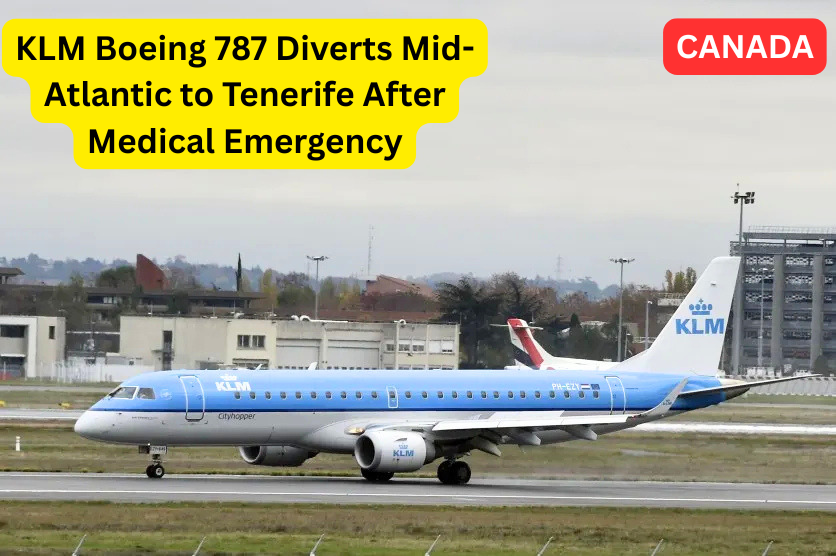
A KLM Royal Dutch Airlines Boeing 787 Dreamliner flying from Amsterdam Schiphol Airport (AMS) to Buenos Aires Ezeiza International Airport (EZE) was forced to make an unscheduled landing after a medical emergency involving a passenger during the long-haul journey across the Atlantic Ocean
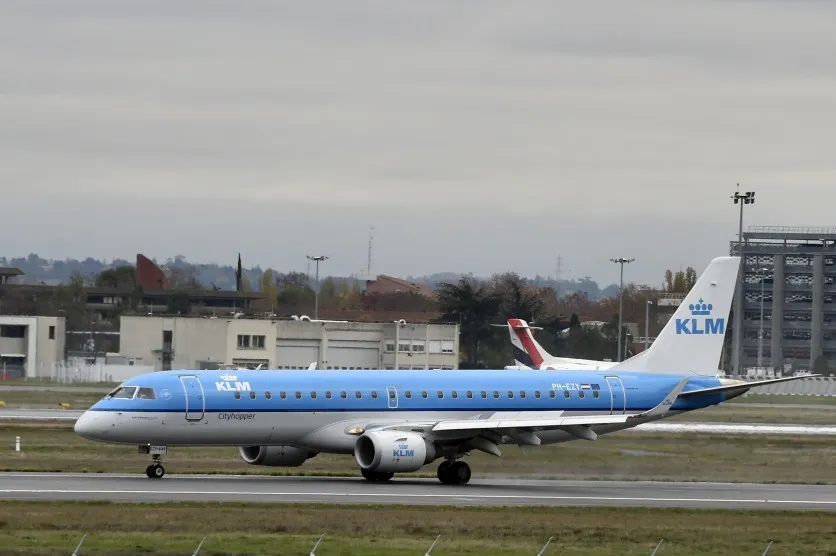
The aircraft diverted to Tenerife South Airport (TFS) in Spain’s Canary Islands, where medical personnel were waiting to assist immediately after landing. The diversion was carried out as a precaution to ensure the affected passenger received urgent medical care as quickly as possible.
Fortunately, the aircraft landed safely, and the flight later continued its journey after the emergency response and necessary operational checks.
What Happened?
According to flight tracking data and aviation reports, the KLM Boeing 787 Dreamliner was en route from Amsterdam to Buenos Aires when a passenger reportedly experienced a medical emergency while the aircraft was flying over the Atlantic Ocean.
After assessing the situation, the flight crew decided to divert the aircraft to the nearest suitable airport capable of handling a wide-body international flight.
The pilots selected Tenerife South Airport, allowing emergency medical teams to reach the passenger without unnecessary delay.
Why Did the Aircraft Divert?
Unlike technical issues, this diversion was not caused by any problem with the aircraft.
Instead, it was initiated because of a medical emergency involving a passenger.
Commercial airlines follow strict international safety procedures. When someone onboard requires urgent medical treatment that cannot be adequately provided in flight, pilots may divert to the nearest appropriate airport where emergency services are available.
Where Did the Flight Land?
The aircraft safely landed at:
Tenerife South Airport (TFS)
Canary Islands, Spain
Emergency responders boarded the aircraft shortly after arrival to assist the affected passenger.
There were no reports of any operational problems with the aircraft, and the diversion was conducted solely for medical reasons.
Was Anyone Else Injured?
No.
There have been no reports of injuries to other passengers or crew members.
The diversion was a precautionary measure to prioritize the health of the passenger experiencing the medical emergency.
What Happens During an In-Flight Medical Emergency?
Modern commercial aircraft carry emergency medical equipment, including:
- First-aid kits.
- Emergency oxygen.
- Automated External Defibrillators (AEDs) on many long-haul flights.
- Medications approved for onboard use.
Cabin crew are trained to respond to medical incidents, and many airlines can also consult doctors on the ground via satellite communication.
If the patient’s condition requires immediate hospital treatment, the captain may decide to divert the aircraft.
Why Was Tenerife Chosen?
Tenerife South Airport is a major international airport with:
- Long runways suitable for Boeing 787 aircraft.
- 24-hour emergency medical services.
- Air traffic control capable of handling international diversions.
- Ground support for wide-body aircraft.
Its location made it one of the most suitable diversion airports along the aircraft’s route across the Atlantic.
Did the Flight Continue?
Yes.
After the passenger received medical attention and the airline completed the required operational procedures, the aircraft continued its journey to Buenos Aires, although with a delay.
Airlines typically inspect the aircraft, coordinate with airport authorities, and complete necessary paperwork before resuming the flight.
Are Medical Diversions Common?
While they are relatively uncommon, medical diversions occur regularly across the global aviation industry.
Common reasons include:
- Chest pain.
- Cardiac symptoms.
- Breathing difficulties.
- Allergic reactions.
- Severe illness.
- Loss of consciousness.
Airlines prioritize passenger health, even if it means delaying hundreds of travelers.
Is Flying Still Safe?
Absolutely.
Medical diversions demonstrate that airline safety systems work exactly as intended.
Pilots, cabin crew, air traffic controllers, and emergency responders follow internationally recognized procedures to ensure passengers receive prompt medical care while maintaining the safety of everyone on board.
Commercial aviation remains one of the safest modes of transportation in the world.
Our Perspective (BollywoodView.com)
Although an unscheduled landing can be unsettling for passengers, the KLM crew’s decision to divert to Tenerife highlights the aviation industry’s commitment to safety and passenger welfare. Medical emergencies are unpredictable, and quick decision-making by trained professionals can make a critical difference.
The safe landing and rapid response from emergency medical teams show how airlines and airports work together to protect lives. While the diversion caused delays, ensuring that a passenger received timely medical treatment was the right and responsible decision.
At BollywoodView.com, we publish aviation news using verified airline information, flight tracking data, and credible reporting. We avoid speculation and clearly distinguish confirmed facts from information that has not been officially released.
Frequently Asked Questions (FAQs)
Why did the KLM Boeing 787 divert to Tenerife?
The aircraft diverted because of a medical emergency involving a passenger, requiring immediate medical attention after landing.
Which flight was involved?
The flight was operating from Amsterdam Schiphol Airport to Buenos Aires Ezeiza International Airport.
Was there a technical problem with the aircraft?
No. There have been no reports of any technical or mechanical issues. The diversion was solely due to a passenger medical emergency.
Where did the aircraft land?
The aircraft made an unscheduled landing at Tenerife South Airport (TFS) in Spain’s Canary Islands.
Were any passengers injured?
No injuries to other passengers or crew have been reported.
Did the flight continue to Buenos Aires?
Yes. After the medical emergency was handled and operational checks were completed, the flight resumed its journey to Buenos Aires.
Why do airlines divert for medical emergencies?
Airlines divert when a passenger requires urgent medical care that cannot be adequately provided onboard, ensuring the individual receives treatment as quickly as possible.


- Ion Exchange Shares Slide 8% After Q1 Profit Plunges 92%: Here’s What Happened
- Swiggy’s FY31 Roadmap Sends Shares Higher: What Investors Need to Know
- Titan Stock at All-Time High: What’s Fueling Investor Optimism Before Q1 Earnings?
- Could Hardik Pandya Captain KKR in IPL 2027? Here’s Why the Move Is Being Discussed
- 10 Best Indian Movies to Watch This Independence Day 2026