Website: BollywoodView.com
Author: AK
New Zealand has confirmed its first-ever detection of the highly pathogenic H5N1 bird flu virus, marking a significant moment in the country’s biosecurity history. The virus was found in a wild brown skua discovered near Wellington, prompting authorities to increase surveillance, strengthen biosecurity measures, and begin protecting endangered bird species.
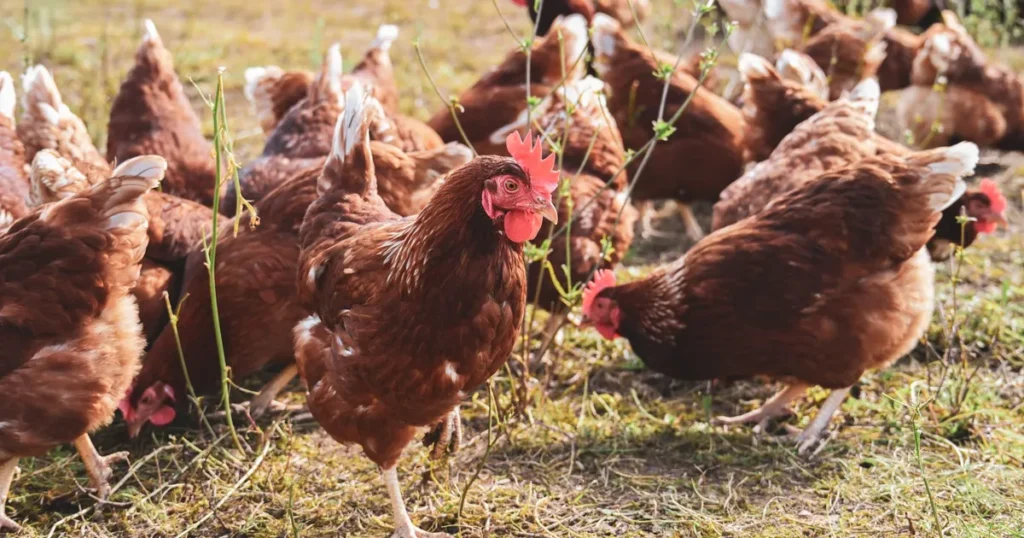
The announcement has naturally raised concerns among consumers. Will chicken and eggs become expensive? Is it still safe to eat poultry? Should families stop buying chicken? Could supermarkets face shortages?
Here’s everything you need to know.
What Happened?
New Zealand confirmed H5N1 in a wild migratory seabird, not on a commercial chicken farm.
The Ministry for Primary Industries (MPI) says there is currently no evidence that the virus has spread into commercial poultry flocks, and there is no evidence of widespread transmission among wild birds in New Zealand.
That distinction is extremely important because commercial poultry farms supply the chicken and eggs sold in supermarkets.
Where Did H5N1 Come From?
H5N1 is a highly pathogenic avian influenza virus.
It first emerged in Asia many years ago and has spread across Europe, North America, South America, Africa, Antarctica and, more recently, Australia through migratory wild birds. New Zealand had been preparing for its arrival for years because scientists expected infected migratory birds could eventually reach the country.
Is New Zealand in Lockdown?
No.
There is no nationwide lockdown.
Instead, authorities have increased:
- Wildlife surveillance
- Laboratory testing
- Biosecurity inspections
- Monitoring of poultry farms
- Protection of endangered native birds
Officials have also begun vaccinating some of New Zealand’s most endangered captive birds, including kākāpō and takahē, as a precaution.
Should People Stop Eating Chicken?
No.
According to New Zealand authorities, properly cooked chicken remains safe to eat.
The virus is not considered a food safety risk when poultry products are handled hygienically and cooked thoroughly. Human infections are rare and are usually linked to direct contact with infected birds, not eating cooked chicken or eggs.
Should You Stop Eating Eggs?
No.
Eggs sold through normal commercial channels remain safe.
Consumers should continue following normal food safety advice:
- Cook eggs thoroughly.
- Wash hands after handling raw poultry.
- Prevent cross-contamination in the kitchen.
- Keep raw and cooked foods separate.
How Long Should People Avoid Chicken?
At present, health authorities have not advised the public to avoid eating chicken or eggs.
Unless official food safety guidance changes, there is no recommended period during which consumers should stop eating poultry.
What Is the Government Doing?
The New Zealand Government has responded quickly by:
- Increasing nationwide surveillance.
- Testing wild birds.
- Working with poultry producers.
- Enhancing farm biosecurity.
- Vaccinating endangered native bird populations.
- Asking the public to report groups of sick or dead wild birds.
Officials stress that early detection is the best defence against wider spread.
Will Chicken Prices Increase?
It is too early to say.
If H5N1 remains confined to wild birds, the impact on chicken and egg prices may be minimal.
However, if commercial poultry farms were ever affected, supply disruptions could put upward pressure on prices, as has happened in several other countries.
Are Supermarkets Running Out of Chicken?
There is no confirmed evidence that major New Zealand supermarkets are experiencing widespread shortages or panic buying because of this detection.
Retailers continue to monitor the situation alongside suppliers and government agencies.
Could Farmers Face Losses?
If the virus were detected on commercial poultry farms in the future, affected flocks could need to be culled to prevent further spread, resulting in significant financial losses.
At present, however, H5N1 has not been detected in New Zealand’s commercial poultry industry.
Can Humans Catch Bird Flu?
Yes, but the risk remains very low.
Most human cases reported internationally have involved people with prolonged close contact with infected birds or animals.
Health authorities say ordinary consumers face a very low risk.
Our Perspective (BollywoodView.com)
The arrival of H5N1 in New Zealand is an important biosecurity development, but it is not a reason for panic.
Consumers should rely on official health advice rather than rumours. At this stage, authorities have found the virus in a wild bird—not in commercial poultry—and there is no recommendation to stop eating chicken or eggs.
The coming weeks will be crucial as surveillance continues. If the virus remains limited to wildlife, New Zealand’s poultry industry may avoid the severe disruptions experienced elsewhere.
Frequently Asked Questions (FAQs)
What is H5N1 bird flu?
A highly contagious avian influenza virus that mainly affects birds.
Is chicken safe to eat?
Yes. Properly cooked chicken remains safe according to New Zealand authorities.
Should I stop eating eggs?
No. Eggs remain safe when handled and cooked properly.
Has bird flu reached poultry farms?
At present, authorities say there is no confirmed detection in commercial poultry.
Can humans catch H5N1?
Yes, but infections are rare and usually involve direct contact with infected birds rather than eating cooked poultry.
Will chicken prices increase?
It’s too early to know. Prices will depend on whether the virus spreads into commercial poultry operations.

- Ion Exchange Shares Slide 8% After Q1 Profit Plunges 92%: Here’s What Happened
- Swiggy’s FY31 Roadmap Sends Shares Higher: What Investors Need to Know
- Titan Stock at All-Time High: What’s Fueling Investor Optimism Before Q1 Earnings?
- Could Hardik Pandya Captain KKR in IPL 2027? Here’s Why the Move Is Being Discussed
- 10 Best Indian Movies to Watch This Independence Day 2026