
By Sam Khan | BollywoodView.com
A controversial gender bill introduced by New Zealand First (NZ First) is receiving backing from coalition partners National and ACT, helping it move forward in Parliament. The proposed legislation aims to legally define the terms “woman” and “man” based on biological sex in New Zealand law, sparking both support and criticism across the country.
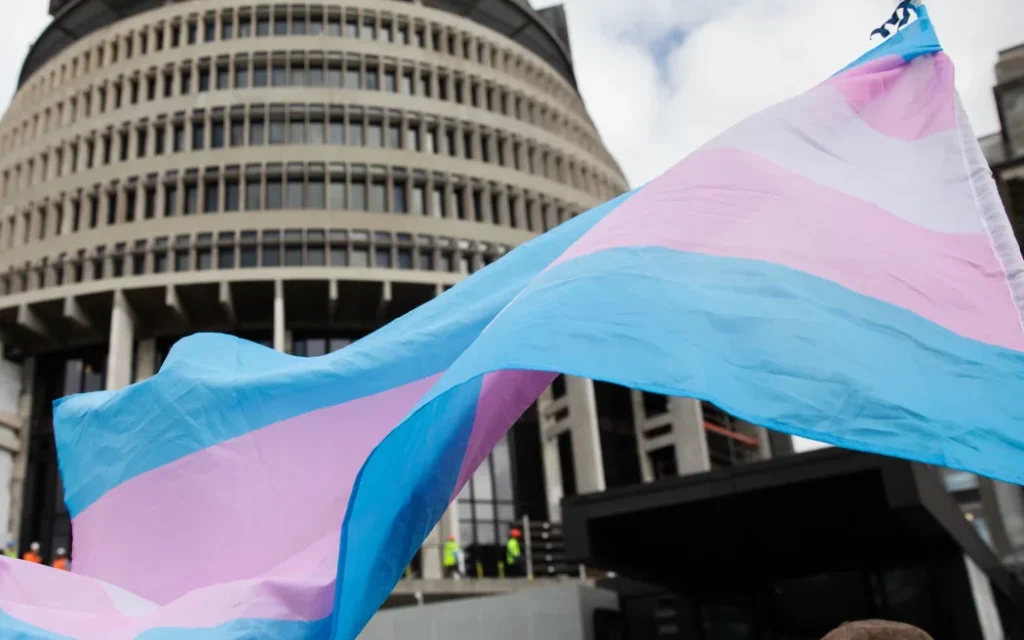
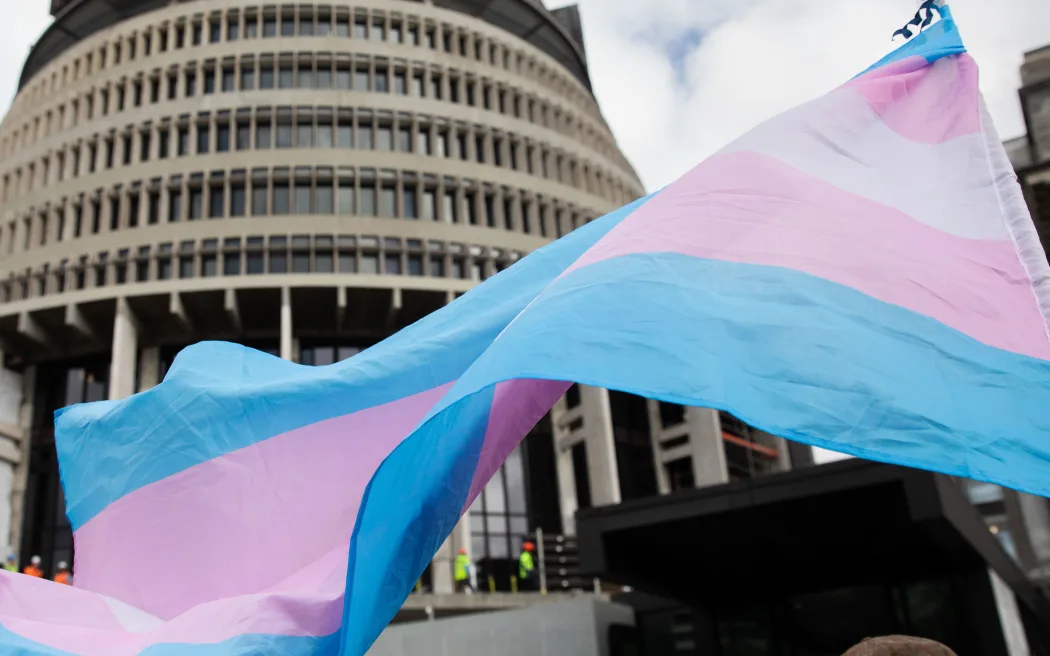
The bill, formally called the Legislation (Definitions of Woman and Man) Amendment Bill, seeks to define a woman as “an adult human biological female” and a man as “an adult human biological male” within New Zealand’s legal system. It was introduced by NZ First MP Jenny Marcroft and has now passed its first reading with support from the governing coalition parties.
ALSO READ : Truck and Train Crash in Perth Sends Debris Flying, Multiple People Injured in Chaotic Collision
What Is NZ First’s Gender Bill?
The bill proposes changes to New Zealand’s laws so that legal definitions of “man” and “woman” are tied specifically to biological sex rather than gender identity.
According to NZ First, the purpose of the bill is to create “clarity and consistency” in legislation, particularly in areas involving women’s rights, sports, prisons, healthcare, and single-sex spaces. Supporters argue that clear legal definitions will reduce confusion in policies and public institutions.
However, critics say the legislation could negatively affect transgender and non-binary communities, arguing that existing laws already protect sex-based rights without needing new definitions. Legal experts have also questioned whether the bill is necessary under current New Zealand law.
Why Are National and ACT Supporting the Bill?
Although some ministers previously described the proposal as a lower priority or political distraction, National and ACT have reportedly agreed to support the bill at least through early parliamentary stages as part of coalition arrangements with NZ First. This means the bill can be debated further and sent to select committee review, where the public may submit feedback.
Coalition governments in New Zealand often support partner parties’ bills to maintain political agreements, even when not every party fully agrees with all details.
What Could Be the Benefits for New Zealand Citizens?
Supporters of the bill believe there are several possible benefits for ordinary New Zealanders.
1. Clearer Laws and Definitions
Backers argue that legal definitions would remove confusion in government policies, courts, and public services. For example, laws mentioning “women-only spaces” or “male/female categories” would have clear legal meanings.
2. Protection of Single-Sex Spaces
Supporters say the bill could provide clearer rules for women’s shelters, changing rooms, prisons, and sports categories by basing access on biological sex. Some groups believe this would strengthen protections for women and girls.
3. Clarity in Sports Competitions
Some advocates believe biological definitions could make eligibility rules for women’s sports more straightforward and reduce legal disputes around fairness in competition.
4. Reduced Legal Ambiguity
Supporters argue government departments, schools, and healthcare providers would have clearer legal guidance when creating policies involving sex-based categories.
Why Is the Bill Controversial?
The proposal has generated strong debate because opponents fear it may affect transgender rights.
Critics argue transgender people could face more exclusion in areas like identity recognition and public services. Some human rights advocates say existing anti-discrimination protections already work without changing legal definitions. Others view the bill as part of wider political culture-war debates rather than a pressing issue facing New Zealand.
Some legal analysts have also argued the proposal may have limited practical impact because many laws in New Zealand are already gender-neutral or contain separate provisions for sex-based rights.
Will the Bill Become Law?
Not necessarily.
The bill still has to pass several parliamentary stages, including select committee review, public consultation, second reading, and final voting. Public opinion and political negotiations could still influence its future.
At this stage, support from National and ACT increases its chances of moving forward, but becoming law is not guaranteed.
Frequently Asked Questions (FAQs)
1. What does NZ First’s gender bill do?
It seeks to legally define “woman” and “man” based on biological sex in New Zealand law.
2. Is National supporting the bill?
Yes, National and ACT are reportedly supporting it through parliamentary stages alongside NZ First.
3. What benefits do supporters see?
Supporters believe it could improve legal clarity, protect women-only spaces, and simplify sports eligibility rules.
4. Why are people opposing it?
Critics worry it could negatively impact transgender rights and say the law change is unnecessary.
5. Has the bill become law yet?
No, it still has to pass multiple stages in Parliament.
Final Thoughts
NZ First’s gender bill has become one of New Zealand’s most debated political issues of 2026. Supporters see it as a way to bring legal clarity and protect sex-based rights, while critics argue it risks excluding transgender communities and solving a problem that may not exist.
For ordinary New Zealand citizens, the real impact will depend on how the law is eventually written, interpreted, and applied. As the bill moves through Parliament, public feedback and political negotiations will likely shape its final future.



- Ion Exchange Shares Slide 8% After Q1 Profit Plunges 92%: Here’s What Happened
- Swiggy’s FY31 Roadmap Sends Shares Higher: What Investors Need to Know
- Titan Stock at All-Time High: What’s Fueling Investor Optimism Before Q1 Earnings?
- Could Hardik Pandya Captain KKR in IPL 2027? Here’s Why the Move Is Being Discussed
- 10 Best Indian Movies to Watch This Independence Day 2026