
Website: BollywoodView.com
Author: AK
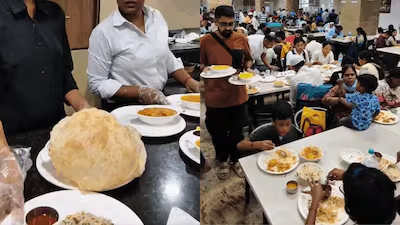
A viral video showing a crowded hospital food court has ignited a nationwide debate on social media. The clip, which has been widely shared on X (formerly Twitter), Facebook, and Instagram, shows hundreds of visitors lining up to buy popular dishes such as chole bhature, masala dosa, idli, vada, biryani, tea, coffee, and other snacks.
While many people praised the food court for providing a wide variety of affordable meals to patients’ families, visitors, doctors, and hospital staff, others questioned whether fried and high-calorie foods should be sold inside a healthcare facility.
The discussion has now evolved into a broader question: Should hospital cafeterias focus only on healthy food, or should they also provide comfort food for people spending long hours caring for loved ones?
Why Has the Video Gone Viral?
The viral clip shows an unusually busy hospital cafeteria packed with visitors waiting to order food. Many social media users were surprised by:
- The long queues.
- The extensive menu.
- The organized service.
- The number of people dining inside.
- The variety of South Indian and North Indian dishes available.
Many viewers commented that it looked more like a shopping mall food court than a hospital cafeteria.
What Foods Are Being Served?
According to the viral video, the cafeteria offers a wide selection of meals, including:
- Chole Bhature
- Masala Dosa
- Plain Dosa
- Idli
- Vada
- Poori
- Rice Meals
- Biryani
- Chapati
- Tea
- Coffee
- Fresh Juices
- Bakery Items
- Snacks
- Desserts
The diverse menu has become one of the main reasons behind the online discussion.
Why Are People Supporting the Food Court?
Many social media users believe the cafeteria is serving an important purpose.
1. Families Spend Entire Days at Hospitals
Attendants often stay with patients for many hours or even several days. Having fresh meals available inside the hospital saves them from travelling elsewhere for food.
2. Affordable and Convenient
Many people say hospital cafeterias provide reasonably priced meals, which is especially helpful for families already dealing with expensive medical treatment.
3. Comfort During Difficult Times
Hospital visits are emotionally stressful. Supporters argue that familiar foods like dosa or chole bhature can provide comfort to worried family members waiting for updates.
4. Staff Need Food Too
Doctors, nurses, technicians, and other hospital employees work long shifts. A cafeteria with multiple food options helps them access meals without leaving the hospital campus.
Why Are Others Criticising It?
Not everyone agrees.
Critics believe hospitals should set an example by promoting healthier eating habits.
Their concerns include:
Fried and High-Calorie Foods
Many users questioned whether foods such as chole bhature and other fried items are appropriate in a healthcare environment.
Mixed Health Message
Hospitals advise patients to eat balanced diets, so some people feel selling oily or high-fat foods sends conflicting signals.
Overcrowding
The large crowds seen in the video also raised concerns about whether busy food courts can consistently maintain smooth service and hygiene during peak hours.
What Do Nutrition Experts Say?
Health professionals point out that hospital cafeterias are not designed only for patients.
Most admitted patients receive meals based on:
- Doctor recommendations.
- Dietitian advice.
- Medical conditions.
- Recovery plans.
Hospital cafeterias mainly serve:
- Visitors.
- Family members.
- Doctors.
- Nurses.
- Hospital staff.
- Outpatients.
Experts generally agree that offering both healthy meals and occasional comfort foods is acceptable, provided food safety standards are maintained and people make informed dietary choices.
Is It Normal for Hospitals to Have Large Food Courts?
Yes.
Many modern hospitals across India and around the world operate large cafeterias because thousands of people visit every day.
These food courts often serve:
- Employees working long shifts.
- Patient attendants.
- Visitors.
- Outpatients.
Providing a variety of food options reduces the need for people to leave the hospital campus.
Why Is This Debate Important?
The viral video has sparked a larger conversation about balancing nutrition, convenience, affordability, and emotional comfort.
Some believe hospitals should exclusively serve healthy meals, while others argue that attendants and healthcare workers should have the freedom to choose from a wider menu after spending long hours in a stressful environment.
Our Perspective (BollywoodView.com)
The debate is not really about chole bhature versus healthy food—it is about understanding who hospital cafeterias are meant to serve. Patients generally receive medically supervised meals, while visitors, caregivers, and hospital staff have different nutritional needs and personal preferences.
Instead of removing popular dishes, hospitals may achieve a better balance by offering both wholesome, nutritious meals and occasional comfort foods. Maintaining high standards of hygiene, food quality, and affordability should remain the top priority.
At BollywoodView.com, we base our reporting on verified public information and social media trends while distinguishing between confirmed facts and public opinion. This article reflects the broader debate surrounding a viral video and does not make claims about the operations or standards of any specific healthcare institution.
Frequently Asked Questions (FAQs)
Why is the hospital food court video going viral?
The video shows a crowded hospital cafeteria serving a wide variety of popular dishes, prompting debate over whether comfort foods belong in healthcare facilities.
Why are some people supporting the cafeteria?
Supporters say it provides affordable, convenient meals for visitors, patient attendants, doctors, nurses, and hospital staff who often spend long hours at the hospital.
Why are others criticizing it?
Critics believe hospitals should encourage healthier eating and question whether fried or high-calorie foods are appropriate in a healthcare setting.
Do hospital patients eat cafeteria food?
Generally, admitted patients receive meals planned by doctors and dietitians. Cafeterias primarily serve visitors, staff, and outpatients.
Is it common for hospitals to have large food courts?
Yes. Many large hospitals operate full-service cafeterias to cater to the daily needs of thousands of visitors and employees.
What is the main takeaway from the debate?
The discussion highlights the challenge of balancing healthy food choices with convenience and comfort for people who spend extended periods in hospitals.


- Ion Exchange Shares Slide 8% After Q1 Profit Plunges 92%: Here’s What Happened
- Swiggy’s FY31 Roadmap Sends Shares Higher: What Investors Need to Know
- Titan Stock at All-Time High: What’s Fueling Investor Optimism Before Q1 Earnings?
- Could Hardik Pandya Captain KKR in IPL 2027? Here’s Why the Move Is Being Discussed
- 10 Best Indian Movies to Watch This Independence Day 2026



One thought on “Viral Hospital Food Court Sparks Online Debate: Should Hospitals Serve Chole Bhature and Masala Dosa?”