
By Eliza Mathew | BollywoodView.com
India-UK CETA Comes Into Force Today: What It Means For India, UK, Businesses And Consumers
UK: The India-UK Comprehensive Economic and Trade Agreement (CETA) officially comes into force today. Here’s what the historic trade deal means for exports, jobs, professionals, tariffs and Indian consumers.
After Years Of Negotiations, India And The UK Have Entered A New Economic Era
Trade agreements rarely become headline news.
But some have the potential to reshape economies for decades.
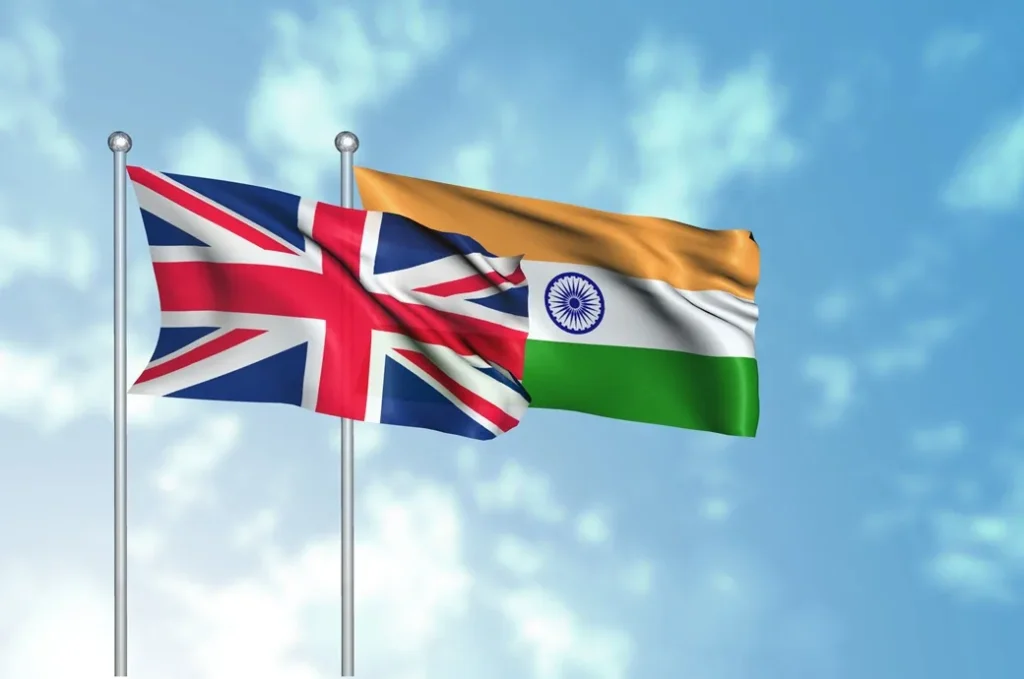
On July 15, 2026, the India-UK Comprehensive Economic and Trade Agreement (CETA) officially came into force, marking one of the most significant trade milestones in the relationship between the two countries. The agreement aims to boost trade, create employment opportunities, lower tariffs and make it easier for businesses to operate across both markets.
For India, this is more than just another Free Trade Agreement—it’s a gateway to one of the world’s largest consumer markets.
ALSO READ : Not Just A New Casting: Why Alia Bhatt’s Entry Into Tumbbad 2 Could Change The Franchise Forever
What Is India-UK CETA?
The Comprehensive Economic and Trade Agreement (CETA) is a bilateral trade pact designed to reduce trade barriers between India and the United Kingdom.
After nearly three years of negotiations, both countries have implemented the agreement to promote:
- Duty-free trade on thousands of products
- Better market access for businesses
- Easier movement for skilled professionals
- Greater investment opportunities
- Stronger economic cooperation
The agreement also takes effect alongside the Double Contribution Convention (DCC), which helps many Indian professionals working temporarily in the UK avoid paying social security contributions in both countries simultaneously.
What Changes From Today?
One of the biggest benefits for Indian exporters is immediate duty-free access to almost 99% of the UK market by export value, making Indian products more competitive. Key sectors expected to benefit include:
- Textiles and garments
- Leather and footwear
- Gems and jewellery
- Marine products
- Engineering goods
- Processed food
- Chemicals and pharmaceuticals
In return, India will gradually reduce tariffs on several British products, including premium automobiles and certain consumer goods, over a phased period.
What Could Become Cheaper In India?
As import duties are reduced over time, Indian consumers may eventually see lower prices on selected British products, including:
- Premium cars
- Scotch whisky
- Gin
- Chocolates
- Luxury consumer goods
However, not every product will become cheaper immediately, as many tariff reductions will be implemented gradually under the agreement.
A Big Opportunity For Indian Professionals
One of the most talked-about aspects of the agreement is its benefit for skilled Indian professionals.
Under the accompanying social security arrangement, eligible professionals posted temporarily to the UK can be exempt from paying UK National Insurance contributions for up to five years, helping reduce employment costs for both workers and employers.
This is expected to benefit sectors such as:
- Information Technology (IT)
- Engineering
- Financial services
- Consultancy
- Professional services
SparkChronicle Perspective: This Deal Is About More Than Trade Numbers
Trade agreements are often discussed using billions of dollars and tariff percentages.
But their real impact is measured differently.
For Indian businesses, it could mean access to new customers.
For exporters, it could mean higher competitiveness.
For professionals, it could create more overseas opportunities.
For consumers, it may eventually offer greater choice and more competitive pricing.
Like every major economic reform, the true benefits will depend on how businesses adapt over the coming years.
What Leaders Are Saying
Prime Minister Narendra Modi described the implementation of CETA as a “significant moment” in India-UK relations, saying the agreement would create fresh opportunities for businesses, workers, farmers and entrepreneurs while strengthening economic cooperation between the two countries.
Economic analysts also expect the agreement to increase bilateral trade substantially over the next decade as companies on both sides begin taking advantage of lower trade barriers.
Why This Matters Globally
The India-UK agreement arrives at a time when countries are actively seeking resilient supply chains and stronger economic partnerships.
For India, improved access to the UK market strengthens its position as a major global manufacturing and services hub.
For the UK, the agreement provides expanded access to one of the world’s fastest-growing large economies.
Rather than focusing only on goods, CETA also places significant emphasis on services, investment and professional mobility—areas expected to shape future economic growth.
Our Perspective
At BollywoodView.com, we believe the India-UK CETA is not just another policy announcement.
It represents a long-term economic partnership that could influence trade, employment, investment and consumer markets for years to come.
While the immediate effects may be most visible for exporters and businesses, ordinary consumers and skilled professionals are also likely to feel the impact as the agreement is implemented.
Final Word
The India-UK Comprehensive Economic and Trade Agreement officially entering into force marks the beginning of a new chapter in bilateral relations.
Whether you’re an exporter, entrepreneur, investor, professional or consumer, the agreement opens new possibilities that extend well beyond today’s headlines.
Its true success, however, will be measured not by the signing ceremony—but by the opportunities it creates in the years ahead.
Frequently Asked Questions
What is the India-UK CETA?
The Comprehensive Economic and Trade Agreement (CETA) is a free trade agreement between India and the United Kingdom aimed at reducing tariffs, expanding market access and boosting trade and investment.
When did the agreement come into effect?
The India-UK CETA officially came into force on July 15, 2026.
Which Indian industries are expected to benefit?
Textiles, leather, footwear, engineering goods, pharmaceuticals, gems and jewellery, processed foods and several service industries are expected to gain improved access to the UK market.
Will products become cheaper in India?
Some imported British goods, including premium cars and Scotch whisky, may become more affordable over time as tariff reductions are implemented in phases.

- Ion Exchange Shares Slide 8% After Q1 Profit Plunges 92%: Here’s What Happened
- Swiggy’s FY31 Roadmap Sends Shares Higher: What Investors Need to Know
- Titan Stock at All-Time High: What’s Fueling Investor Optimism Before Q1 Earnings?
- Could Hardik Pandya Captain KKR in IPL 2027? Here’s Why the Move Is Being Discussed
- 10 Best Indian Movies to Watch This Independence Day 2026



One thought on “India-UK CETA Comes Into Force Today: A Landmark Trade Deal That Could Transform Business, Jobs And Consumer Prices”