
By Sam Khan | BollywoodView.com
The United Kingdom has intensified pressure on Russia by announcing a major new package of 70 sanctions, targeting key financial institutions, shipping networks, and energy-related operations linked to Moscow’s economy.
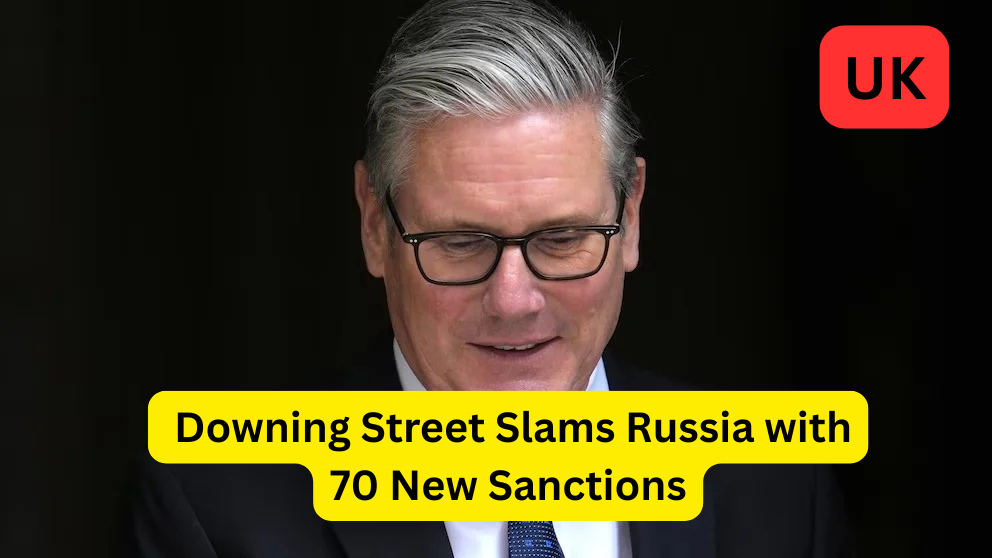
The move comes as Downing Street reportedly seeks to tighten economic pressure through what many analysts are describing as a “choking strategy” — designed to weaken Russia’s ability to generate revenue for wartime spending.
Among the major targets are Yandex Bank, dozens of vessels reportedly linked to liquefied natural gas (LNG) transport, and broader parts of Russia’s global financial and shipping network.
But what exactly do these sanctions mean — and could they genuinely hurt Russia’s economy?
What Are the UK’s New Russia Sanctions?
The latest UK measures reportedly target around 70 entities and individuals, focusing heavily on sectors considered important to Russia’s financial stability.
ALSO READ : India vs Afghanistan 2nd ODI 2026: Weather Update, Match Time & Where to Watch Live in India and Abroad
The sanctions package reportedly includes action against:
- Yandex Bank and financial networks
- Dozens of ships linked to Russian LNG transportation
- Companies involved in energy exports
- Businesses allegedly helping Russia bypass earlier restrictions
- Networks connected to trade and logistics
The announcement signals Britain’s intention to continue increasing economic pressure rather than easing restrictions.
Why Is the UK Targeting LNG Ships?
One of the biggest focuses of the sanctions appears to be Russia’s energy exports, especially liquefied natural gas (LNG).
Energy sales remain one of Russia’s most important sources of income.
By targeting ships involved in transporting LNG, the UK is reportedly trying to:
Slow Export Operations
Shipping disruptions can make exports more expensive and complicated.
Increase Financial Pressure
Restrictions may limit how easily Russian energy reaches international buyers.
Reduce Revenue Streams
Lower export efficiency could reduce income flowing into the Russian economy.
Make Sanctions Harder to Avoid
Authorities are increasingly focusing on transport networks used to bypass earlier restrictions.
Energy markets remain crucial because oil and gas exports play a major role in Russia’s financial system.
Why Was Yandex Bank Sanctioned?
The inclusion of Yandex Bank has also drawn attention.
Financial institutions are often targeted because they help:
- Process payments
- Move money internationally
- Support domestic economic activity
- Facilitate trade networks
Western governments increasingly believe limiting financial access can make it harder for Russia to maintain large-scale economic activity linked to wartime spending.
Banks often become key targets because money movement is essential for sustaining trade and operations.
The UK’s ‘Choking Strategy’ Explained
Analysts describe Britain’s latest sanctions approach as an economic choking strategy.
Rather than relying on a single major punishment, the idea is to:
Gradually tighten pressure across multiple sectors until economic flexibility becomes harder to maintain.
This includes targeting:
Banking Systems
Restricting access to global finance.
Shipping Networks
Making exports harder and more expensive.
Energy Revenue
Reducing profits from oil and gas.
Supply Chains
Disrupting imports of critical goods.
The overall goal appears to be limiting Russia’s ability to generate resources needed for long-term wartime operations.
Could These Sanctions Actually Hurt Russia?
This remains one of the biggest debates.
Supporters Say:
The sanctions can:
✔ Reduce export revenue
✔ Slow economic growth
✔ Increase financial isolation
✔ Raise costs for Russian companies
Critics Say:
Russia has already adapted to many sanctions through:
- Alternative trade partners
- New shipping routes
- Domestic financial systems
- Stronger trade links with non-Western markets
Some economists argue sanctions rarely create immediate results but instead aim to weaken economies gradually over time.
Possible Global Economic Ripple Effects
Sanctions against major energy exporters can also affect global markets.
Potential ripple effects include:
Energy Prices
Disruptions in LNG movement could influence global fuel costs.
Shipping Costs
Transport restrictions may increase freight expenses.
Trade Realignment
Countries may shift toward new energy suppliers.
Geopolitical Tensions
Relations between Russia and Western nations could worsen further.
Global energy markets often react quickly to any restrictions involving large exporters.
Why This Matters Globally
The UK’s latest move highlights how economic warfare has become a major part of modern geopolitical conflict.
Rather than direct military escalation, countries increasingly use:
- Sanctions
- Financial restrictions
- Trade barriers
- Banking limitations
to pressure rivals economically.
For Russia, maintaining export income remains critical.
For Western nations, limiting those financial channels remains a strategic priority.
Frequently Asked Questions (FAQs)
1. What did the UK announce?
The UK reportedly introduced 70 new sanctions targeting Russia.
2. Why are LNG ships being targeted?
The goal is reportedly to disrupt Russia’s energy export revenue.
3. What is Yandex Bank?
It is a Russian-linked financial institution reportedly included in the sanctions package.
4. What is the “economic choking strategy”?
It refers to gradually increasing financial pressure across multiple sectors.
5. Will sanctions hurt Russia immediately?
Experts say sanctions often work gradually rather than instantly.
Final Thoughts
The UK’s decision to impose 70 new sanctions on Russia represents another major escalation in economic pressure.
By targeting banks, shipping routes, and energy exports, Britain appears determined to make wartime financing increasingly difficult.
Whether this strategy succeeds quickly remains uncertain, but one thing is clear — economic pressure has become one of the most powerful tools shaping modern geopolitical conflicts.
As sanctions continue expanding, the wider effects may be felt not only in Russia, but also across global trade and energy markets.
Author: Sam Khan | BollywoodView.com


- Ion Exchange Shares Slide 8% After Q1 Profit Plunges 92%: Here’s What Happened
- Swiggy’s FY31 Roadmap Sends Shares Higher: What Investors Need to Know
- Titan Stock at All-Time High: What’s Fueling Investor Optimism Before Q1 Earnings?
- Could Hardik Pandya Captain KKR in IPL 2027? Here’s Why the Move Is Being Discussed
- 10 Best Indian Movies to Watch This Independence Day 2026


One thought on “UK Hits Russia With 70 New Sanctions: How Britain’s ‘Economic Choking’ Strategy Targets Wartime Funding”